October 20, 2026
Managing a commercial fleet requires careful coordination, consistent maintenance, and effective cost control. Whether a business operates delivery trucks, heavy-duty work vehicles, or long-haul tractor-trailers, keeping equipment reliable is essential for meeting schedules and maintaining customer satisfaction. Unexpected breakdowns, delayed repairs, and neglected maintenance can quickly disrupt operations and increase expenses.
A dedicated diesel mechanic helps fleet managers address these challenges by providing specialized knowledge, consistent maintenance, and timely repairs. Rather than relying exclusively on outside repair shops or addressing problems only when vehicles fail, businesses can take a more proactive approach to fleet maintenance. Understanding the responsibilities and benefits of this role can help fleet managers make informed decisions about their maintenance strategies.
What Are the Primary Responsibilities of a Diesel Mechanic in Fleet Management?
A diesel mechanic handles the inspection, maintenance, diagnosis, and repair of diesel-powered vehicles and equipment. Within a fleet operation, these responsibilities extend beyond fixing individual problems. The goal is to keep vehicles safe, dependable, and ready for daily assignments.
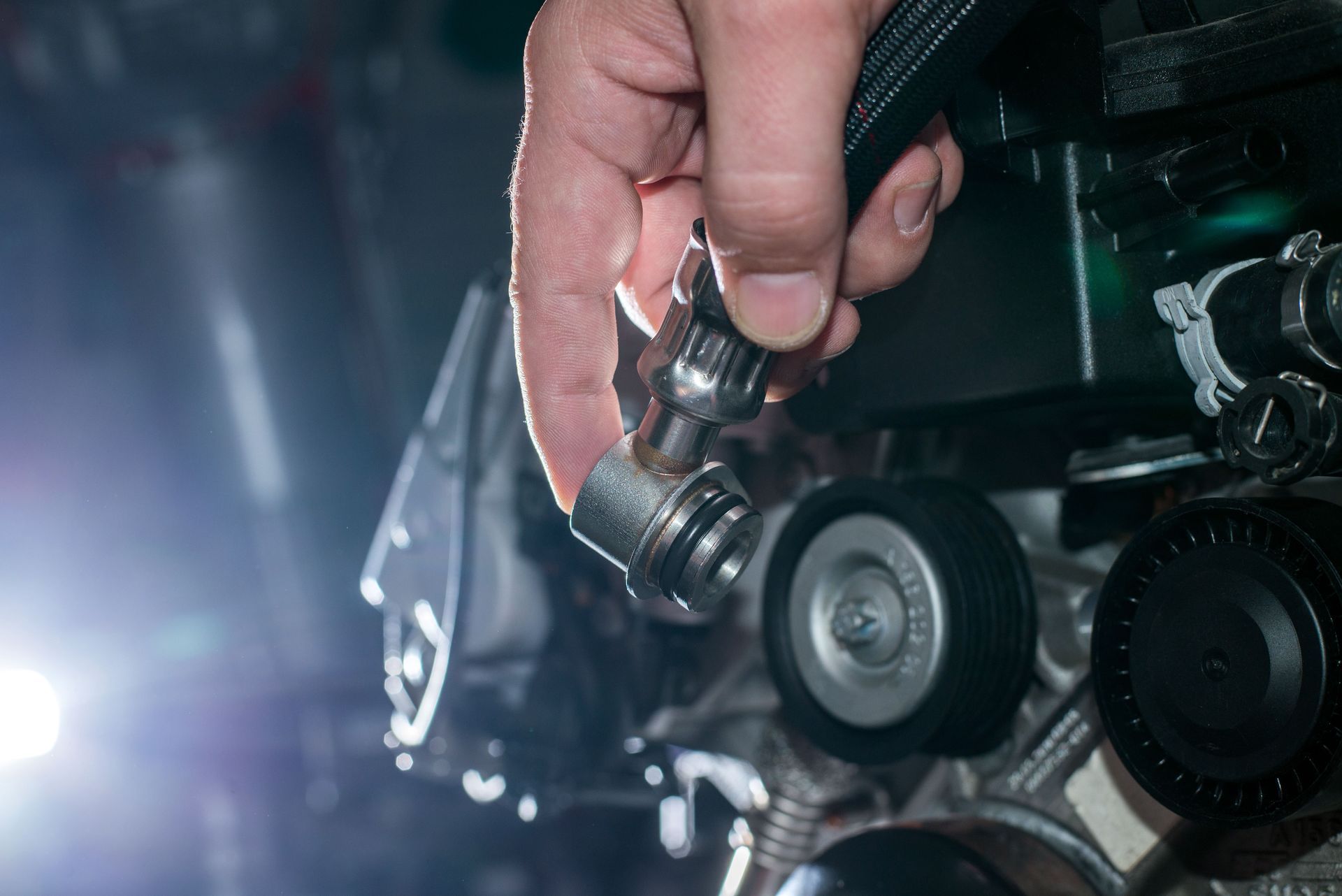
Routine preventive maintenance is a major part of the job. Mechanics perform oil and filter changes, inspect belts and hoses, evaluate cooling systems, check fluid levels, and examine brakes, tires, and suspension components. Following manufacturer-recommended service intervals helps identify developing problems before they cause unexpected failures.
Diagnostics and repairs are equally important. Modern diesel vehicles use electronic control modules, sensors, and sophisticated fuel injection systems that require specialized diagnostic equipment. A qualified diesel mechanic must be able to interpret fault codes, identify underlying mechanical or electronic issues, and determine the most effective repair.
Other responsibilities include maintaining service records, documenting recurring problems, coordinating parts purchases, and verifying that completed repairs meet safety and performance requirements. These records give fleet managers a clearer picture of vehicle condition and maintenance history.
How Does Having a Dedicated Diesel Mechanic Impact the Overall Efficiency of Fleet Operations?
Fleet efficiency depends on vehicles being available when they are needed. Every hour a truck spends waiting for diagnosis, repairs, or an available appointment represents lost productivity. A dedicated diesel mechanic can help minimize these delays by prioritizing maintenance according to operational demands.
An in-house mechanic can coordinate service around delivery schedules, planned routes, seasonal workloads, and equipment availability. Instead of sending a vehicle to an outside shop and waiting for an opening, fleet managers can often arrange inspections and routine repairs internally. This flexibility is particularly valuable for businesses that depend on their vehicles every day.
Preventive maintenance also reduces the likelihood of disruptive breakdowns. A mechanic who regularly services the same vehicles becomes familiar with their operating characteristics and maintenance histories. Recognizing unusual noises, recurring fault codes, fluid leaks, or changes in performance can help prevent minor issues from developing into major failures.
Consistency is another advantage. When maintenance follows an established schedule, managers can plan vehicle rotations and allocate equipment more effectively. Drivers are also more likely to receive vehicles that have been inspected and serviced according to company standards.
What Skills and Qualifications Should a Fleet Manager Look for in a Diesel Mechanic?
Choosing the right mechanic requires evaluating technical expertise alongside practical experience and communication skills. Fleet vehicles vary in age, design, and application, so the ideal candidate should understand the specific equipment a business operates.
Experience with diesel engines is fundamental. Candidates should understand fuel delivery, lubrication, cooling, air intake, and exhaust systems. Familiarity with transmissions, drivetrains, braking systems, and electrical components is also valuable, particularly for fleets operating heavy-duty trucks.
Diagnostic ability is increasingly important. Modern diesel vehicles rely on electronic systems that monitor engine performance, emissions, and other operating parameters. A capable diesel mechanic should know how to use diagnostic software, interpret fault codes, test components, and distinguish between a faulty sensor and a deeper mechanical problem.
Professional certifications can provide additional evidence of competence. Depending on the position and equipment involved, fleet managers may look for Automotive Service Excellence (ASE) certifications in medium- and heavy-truck repair, relevant manufacturer training, or documented experience with specific engine platforms. Commercial vehicle work may also require familiarity with applicable inspection requirements and safety procedures.
Beyond technical qualifications, communication and organization matter. Mechanics must explain repair priorities, document completed work, identify parts requirements, and communicate realistic timelines. Strong recordkeeping helps managers track maintenance expenses and make informed replacement decisions.
Finally, reliability and a safety-conscious attitude are essential. A mechanic who follows established procedures, maintains an orderly workspace, and recognizes when a repair requires additional expertise can contribute to a safer, more dependable fleet.
How Does a Diesel Mechanic Contribute to Cost Savings and Budget Management for Fleets?
Maintenance costs are unavoidable, but poorly managed maintenance can make them substantially higher. A dedicated mechanic helps fleet managers control expenses by identifying problems early, prioritizing repairs, and tracking the long-term condition of vehicles.
Preventive maintenance is one of the most effective ways to manage these costs. Replacing a worn belt, addressing a coolant leak, or correcting a developing lubrication problem may be relatively inexpensive compared with repairing an engine damaged by overheating or inadequate lubrication. Early intervention also reduces the risk of towing charges, missed deliveries, and emergency repair premiums.
Vehicle longevity provides another financial benefit. According to Cummins, many well-maintained diesel engines can accumulate between 500,000 and 1,000,000 miles before requiring a major overhaul. Actual service life varies with engine design, operating conditions, maintenance quality, and duty cycle, but this potential longevity illustrates the value of consistent care.
A diesel mechanic can help fleets get more useful service from their existing equipment by following maintenance schedules, monitoring wear, and addressing problems before they become severe. Extending vehicle life may allow a business to postpone expensive replacements while preserving its investment in existing assets.
Parts management also creates opportunities for savings. A mechanic who monitors commonly used components can help maintain appropriate inventory levels, reducing unnecessary purchases and delays caused by unavailable parts. Tracking recurring repairs can reveal whether a particular vehicle is becoming too expensive to maintain.
What Are the Common Challenges Faced by Diesel Mechanics in Fleet Management?
Even a well-organized maintenance department faces challenges. One of the most common is balancing preventive maintenance with urgent repairs. When several vehicles need attention simultaneously, mechanics must prioritize work without compromising safety or allowing routine service to fall behind.
Parts availability can create additional delays. Specialized engine components, electronic modules, and emissions-system parts may require advance ordering. Maintaining relationships with dependable suppliers and stocking frequently needed items can help reduce waiting times, although inventory must be balanced against storage costs and the risk of unused parts.
Technology presents another challenge. Diesel engines and commercial vehicles continue to evolve, particularly in electronic diagnostics and emissions control. Mechanics need ongoing training to remain familiar with new systems, software, service procedures, and manufacturer updates. Fleet managers must account for this training when planning maintenance budgets.
Staffing and workload can also become difficult to manage. A single mechanic may struggle to service a large fleet, especially when multiple vehicles require major repairs. Establishing realistic service schedules, maintaining accurate records, and arranging backup support can prevent an internal maintenance department from becoming a bottleneck.
A dedicated
diesel mechanic can be a valuable asset for fleet managers seeking dependable vehicles, controlled maintenance expenses, and more predictable operations. From preventive maintenance and advanced diagnostics to repair planning and service documentation, this role supports nearly every aspect of fleet reliability. If you need diesel maintenance or repairs, reach out to Triple X Diesel today!